Updated October 2026: Point 5 below is out of date. Google's review policy now bans offering any incentive for a review, including discounts, freebies and prize draws, even if you disclose it. For up-to-date scripts, timing and the rules, read our guide: How to ask customers for Google reviews in the UK.
How to get reviews for your Business
In today’s digital age, online reviews wield significant influence over consumers’ purchasing decisions. Positive reviews can boost your credibility, attract new customers, and ultimately drive business growth. So, how can you encourage satisfied customers to leave glowing reviews for your business? Let’s dive into the strategies that will help you garner those valuable testimonials.
1. Provide Exceptional Customer Experiences
The foundation of obtaining positive reviews lies in delivering outstanding customer experiences. Aim to exceed expectations at every touchpoint, from the moment customers discover your business to post-purchase interactions. When customers feel delighted and valued, they’re more inclined to share their positive experiences with others.
2. Simply Ask
Don’t underestimate the power of a direct request. Train your staff to politely ask satisfied customers to leave a review after completing a purchase or receiving a service. Whether it’s in-person, via email, or through a follow-up message, a friendly ask can significantly increase your review count.
3. Make it Easy
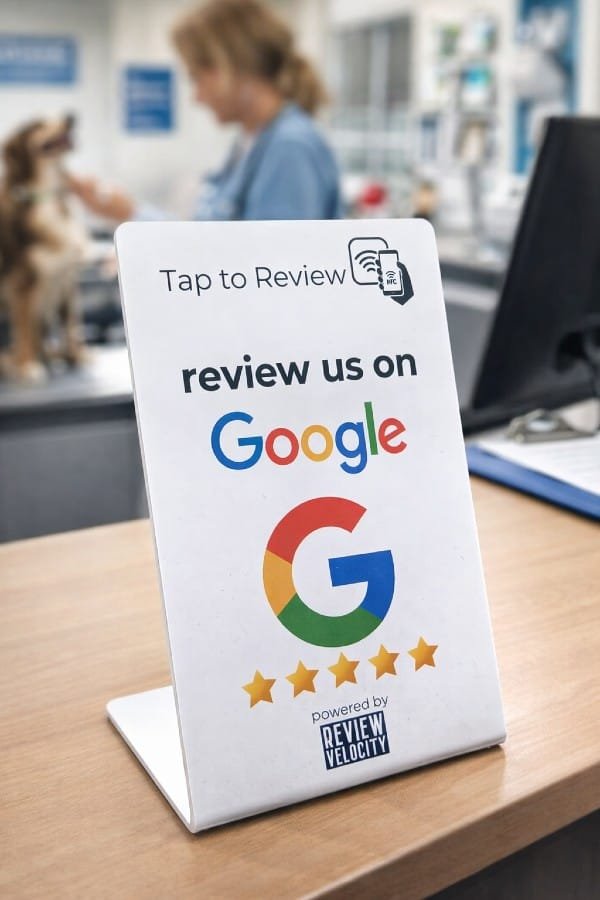
Remove any barriers that may deter customers from leaving reviews. Provide clear instructions on where and how to leave feedback, whether it’s on your website, social media platforms, or review sites like Google, Yelp, or TripAdvisor. Include clickable links in your emails or on your website to streamline the process.
4. Timing is Key
Strike while the iron is hot. Request reviews when the positive experience is fresh in customers’ minds. Avoid waiting too long, as memories fade, and the sense of urgency diminishes. Consider sending review requests shortly after a purchase, service completion, or any other meaningful interaction.
5. Don't Incentivise Google Reviews
This point originally suggested offering discounts, freebies or giveaway entries for reviews. Don't. Google bans any reward in exchange for a review, and in the UK hidden incentivised reviews are illegal under the DMCC Act 2024. Thank customers for their feedback, but never pay for it. See what is and isn't allowed.
6. Leverage Your Online Presence
Maximize your online presence to amplify your review requests. Prominently display review prompts on your website, social media profiles, and email signatures. Encourage followers to share their experiences and leave reviews by regularly engaging with them through compelling content and interactions.
7. Respond to Reviews
Showcase your commitment to customer satisfaction by actively engaging with reviews, both positive and negative. Thank customers for their feedback, address any concerns or issues raised, and demonstrate your willingness to listen and improve. A thoughtful response can enhance your reputation and foster trust among potential customers.
8. Monitor and Analyze
Regularly monitor your online reviews across various platforms to stay informed about customer sentiments and identify areas for improvement. Analyze trends, common themes, and feedback patterns to refine your business strategies and enhance the overall customer experience.
Conclusion
In today’s interconnected world, online reviews serve as digital currency, shaping perceptions and influencing purchasing decisions. By implementing these strategies and prioritizing customer satisfaction, you can cultivate a treasure trove of positive reviews that elevate your business above the competition. Remember, each review is more than just feedback—it’s a testament to your dedication to excellence and a powerful tool for driving business success. So, seize the opportunity to harness the power of reviews and propel your business to new heights.